
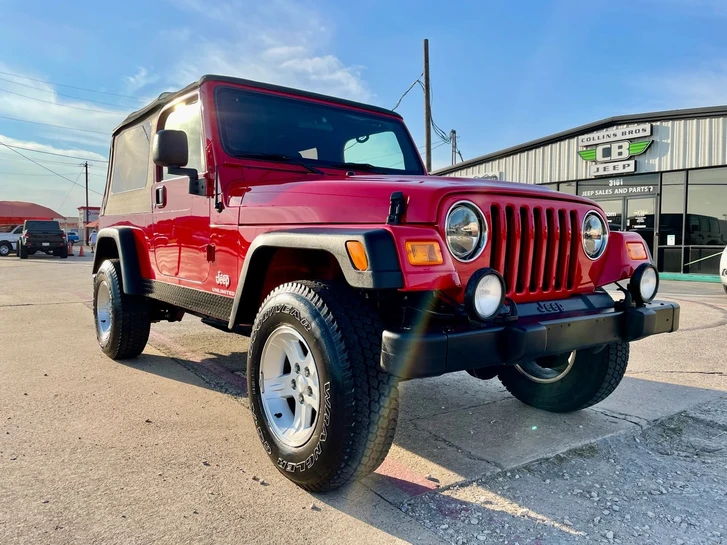
A Wrangler brake upgrade is often overlooked but essential for off-roading. Most Jeep owners prioritize suspension and tires, only to discover that stock brakes struggle with added weight, bigger tires, and trail demands.
Increasing tire size or adding a gear raises braking distance, heat, and wear. Upgrading with proper off-road brake kits ensures control, safety, and prevents brake fade when you need stopping power.
Why Brake Upgrades Matter for Off-Roading and Towing
Stock brakes are built for factory weight and tire size. Modifying your Wrangler changes braking force distribution.
Key reasons upgrades matter:
- Larger tires increase stopping distance.
- Extra overlanding gear adds a constant load.
- Steep off-road descents cause heat buildup.
- Towing increases brake system stress.
Upgrading to Jeep performance brakes improves heat resistance, pedal feel, and braking reliability. DOT guidelines emphasize proper brake performance for vehicle stability and accident prevention.
Signs Your Wrangler Needs Brake Replacement
Before failure happens, your Jeep will usually show warning signs:
- Squeaking or grinding noises.
- Soft or delayed brake pedal response.
- Vibration when braking downhill.
- Longer stopping distance.
- Visible rotor scoring or pad wear.
These symptoms appear sooner on modified Wranglers because of added weight and terrain stress. Worn brake pads and rotors reduce stopping efficiency and increase the risk of accidents.
Best Brake Kits for Off-Road Performance
Upgrading Wrangler brake parts is not one-size-fits-all. Brake performance depends on tire diameter, vehicle weight, gear ratio, and exposure to heat-intensive conditions, such as long descents or towing.
Wrangler brake upgrades should be selected as a system, not a mix of parts. Below is how we build brake setups for real-world Jeep use.
- Heavy-Duty OEM+ Upgrades (Balanced Daily + Trail Use)
This is the most common and practical upgrade path for lightly modified Wranglers running up to ~33” tires.
A typical setup includes:
- OEM-spec rotors upgraded to higher carbon content (improves heat stability).
- Semi-metallic or ceramic performance pads.
- Stainless steel braided brake lines (reduce pedal flex under pressure).
- High-temperature DOT 4 or 5.1 brake fluid.
Why it works:
Stock Jeep brakes are sized for factory tire weight and rolling resistance. Even slight increases in tire mass raise stopping distance due to added rotational inertia. OEM+ upgrades boost thermal resistance without notably altering brake bias.
This setup is commonly used on daily-driven Wranglers that see weekend trails but also operate in traffic.
- Slotted or Drilled Rotors (Heat Management Focused)
Slotted and drilled rotors prioritize heat control and gas evacuation, not increased braking power.
How it functions:
- Slots help scrape brake pad glazing during repeated stops.
- Drilled holes release gases formed during high-friction braking.
- Both improve wet-weather bite and reduce brake fade onset.
Best use case:
- Mountain driving.
- Long downhill off-road descents.
- Overlanding rigs carrying constant weight (roof tents, water, fuel).
Drilled rotors crack in extreme rock-crawling. We recommend directional slotted rotors for long-term durability.
- Big Brake Kits (BBK) for Heavy Builds and Larger Tires
A Big Brake Kit is needed when a Jeep has 35"+ tires, steel bumpers, winches, or overlanding gear.
BBK components include:
- Larger diameter rotors (increased leverage for stopping force).
- Multi-piston calipers (4-piston or 6-piston setups).
- High-friction pad compounds are designed for weight transfer stability.
- Reinforced caliper mounting brackets.
Why it matters mechanically:
Larger tires increase inertia and braking load. A BBK boosts clamping force and heat capacity, reducing fade on repeated stops.
This is especially important for:
- Loaded overlanding Jeeps.
- High-speed desert driving.
- Towing trailers or recovery loads.
Without a BBK, OE brakes overwork front axles, causing pad wear and rotor warping.
- High-Performance Brake Pads (Friction Optimization Layer)
Brake pads are the most underrated part of a Jeep's braking system, but they control initial bite, fade resistance, and pedal feel.
Common compound types:
- Ceramic pads: Quiet, low dust, good for street and light off-road use.
- Semi-metallic pads: Better heat tolerance and stronger bite under load.
- Carbon-infused performance pads: Designed for repeated high-temperature cycles.
On steep trails, pad temperature can exceed 500–700°F. Low-quality pads glaze, losing friction and increasing stopping distance.
High-performance pads maintain consistent friction under sustained heat, which is critical for controlled downhill braking.
System-Level Balance: Why Matching Matters
A proper brake upgrade goes beyond installing stronger parts. It ensures balanced braking at all four corners of the Jeep.
If front brakes are upgraded without addressing rear bias, you risk:
- Front-end dive under braking.
- Rear wheel instability on loose surfaces.
- Uneven pad wear patterns.
- ABS intervention at lower thresholds.
Professional Jeep builders evaluate:
- Vehicle curb weight after modifications.
- Tire size and rotational mass.
- Axle gear ratio changes.
- Brake bias distribution (front-to-rear load transfer).
When matched, braking distributes evenly, reducing front axle stress and improving control on loose or steep terrain.
Real Customer Experience: Honest Guidance and Reliable Results
A customer, Soma Stream, shared their experience working with Collins Bros Jeep while selecting parts and upgrades for their Wrangler. The concern was not just upgrading the Jeep but ensuring the right components were chosen without unnecessary add-ons or overselling.
During consultation, our service team evaluated the vehicle setup and guided part selection based on actual needs rather than pushing unnecessary upgrades.
“Kevin, the service manager, was very helpful in selecting the right parts and mods for my Jeep Wrangler. He was very honest and did not try to sell me what I did not need.” Read his full Google review here.
The outcome was a balanced configuration meeting the customer's specified performance and value requirements, reaffirming reliability and professionalism. This demonstrates the necessity of selecting the correct components and making effective upgrades rather than excessive modifications.
How Brake Upgrades Improve Off-Road Safety
Upgraded braking systems provide more than stopping power:
- Better heat control during steep descents.
- Improved pedal stability under load.
- Shorter stopping distances with larger tires.
- Reduced brake fade on long trails.
- More predictable control in emergency stops.
Combined with proper suspension and tire setup, braking upgrades complete the safety triangle of off-road performance.
Get Precision Jeep Builds Backed by Real-World Experience
Collins Bros Jeep has over 30 years of experience building, repairing, and upgrading Wranglers for real off-road use. We have a vast inventory of OEM and high-quality aftermarket parts, making your selection easy and affordable. Every custom build upgrade is approached as part of a full system evaluation, not a standalone install.
Suspension loads, tire specifications, gearing, and driver usage patterns are methodically reviewed before any brake system recommendation, ensuring optimal integration and safety.
Our technicians possess expertise in complete Jeep builds, precise brake diagnostics, and advanced off-road performance tuning that enhance safety and drivability, not just appearance.
Contact the Collins Bros Jeep team to upgrade your Wrangler for optimal off-road capability and safety.
FAQ
Do I need brake upgrades if I only lifted my Jeep?
Yes, lifting and larger tires increase braking distance and stress the factory system.
What is the best brake upgrade for off-roading?
Heavy-duty pads and slotted rotors are a strong balance of performance and reliability.
How do I know if my Jeep brakes are overheating?
Fading pedal response and a burning smell after descents are common signs.
Are big brake kits worth it for Wranglers?
Yes, especially for heavily modified or overlanding builds with added weight.
Can stock brakes handle towing with a Wrangler?
They can handle light towing, but upgrades are recommended for safety and control.