
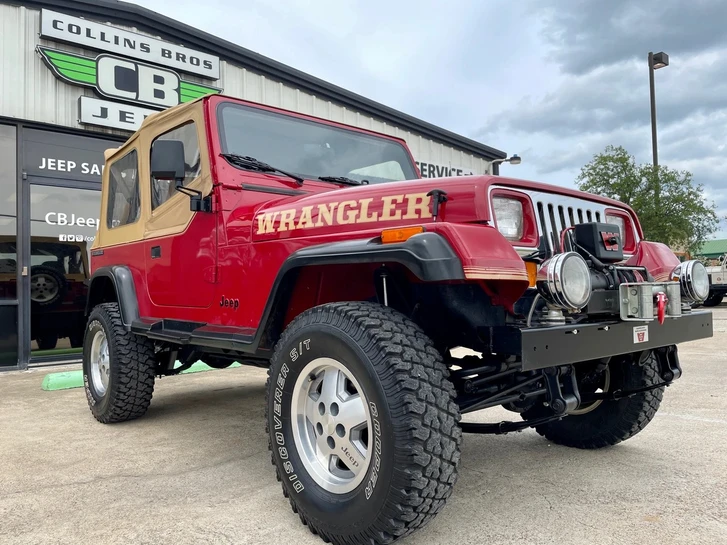
A Jeep Wrangler overlanding build is not just about adding accessories. It prepares a vehicle to handle long-distance travel, rough terrain, and self-sufficient camping without compromising safety or reliability.
A properly designed setup focuses on four core priorities: durability, storage efficiency, off-road performance, and livable comfort. Whether planning weekend trips or multi-week expeditions, the right overlanding Jeep parts can make the difference between a smooth journey and a breakdown in remote terrain.
At Collins Bros Jeep, we’ve built Wranglers for real-world use for decades. This Jeep overland setup guide is based on practical experience.
Step 1: Start with a Strong Suspension Foundation
For overlanding, you need more than a basic lift kit. Controlled articulation, load support, and long-term reliability are essential.
Key upgrades include:
- Performance coilover or long-arm suspension kits
- Heavy-duty shocks designed for loaded weight
- Upgraded control arms and track bars
A properly tuned suspension maintains ride stability even when your Jeep is fully loaded with fuel, water, and camping gear.
Step 2: Choose the Right Tires & Wheels
Tires are among the most critical overlanding accessories Jeep owners invest in.
For overlanding, choose:
- All-terrain (A/T) or hybrid mud-terrain tires.
- Load-rated tires suitable for heavy gear.
- 33”–37” diameter depending on build goals.
Wheel selection also matters. Beadlock wheels improve traction at lower pressures, especially on sand or rocky terrain.
According to the National Highway Traffic Safety Administration (NHTSA), tire load ratings must always match or exceed vehicle weight requirements for safe operation on and off-road. (Source: NHTSA).
Step 3: Storage & Cargo Management Systems
Efficient storage is what separates a weekend rig from a true overlanding build.
Recommended solutions:
- Modular rear cargo drawer systems.
- Roof racks for bulky gear.
- MOLLE panel seat backs.
- Water and fuel storage mounts.
A well-designed storage system prevents weight shifting, improves safety, and keeps gear accessible when needed.
Step 4: Recovery & Winch Systems for Remote Safety
Recovery equipment is essential in any serious Jeep camping mod setup.
Essential gear includes:
- Front-mounted winch (9,500–12,000 lb rating).
- Heavy-duty bumpers with recovery points.
- Soft shackles and recovery straps.
- Traction boards.
Step 5: Electrical Systems & Power Management
Modern overlanding builds rely heavily on electrical independence.
Key upgrades include:
- Dual battery systems or lithium power banks.
- Solar charging panels.
- Auxiliary fuse blocks.
- 12V fridge and inverter systems.
Reliable power lets you run navigation, lighting, refrigeration, and communication equipment without draining your starter battery.
Step 6: Camping Comfort & Interior Mods
A functional overland Jeep must support sleeping and living arrangements.
Popular upgrades:
- Rooftop tents or ground tents
- Foldable sleep platforms
- Ventilation window inserts
- Compact cooking systems
Comfort matters because fatigue directly affects driving safety on long trips.
Step 7: Safety, Legal & Road Compliance Considerations
Before finalizing your Jeep Wrangler overlanding build, ensure compliance with:
- Local vehicle modification laws.
- Lighting regulations.
- Tire protrusion limits.
- Weight distribution standards.
According to the U.S. Department of Transportation, modifications must not compromise vehicle safety systems or visibility standards (https://www.transportation.gov).
Why Professional Assistance Matters
Building a Jeep Wrangler overlanding setup involves more than installing parts.
Here’s why professional help makes a real difference:
- System-Level Setup, Not Guesswork: Experts ensure that suspension, tires, gearing, and weight all work together rather than fight each other.
- Correct Suspension Geometry and Alignment: Prevents uneven tire wear, steering issues, and unsafe handling under load.
- Safe Load Management: Overlanding adds heavy gear. Professionals balance weight distribution to protect braking and stability.
- Proper Installation of Recovery Gear: Winches, bumpers, and mounts are installed to safely handle real recovery stress.
- Compliance with Safety Standards: Helps ensure modifications continue to meet road safety expectations, including lighting, tire load ratings, and braking performance.
- Long-Term Reliability: Reduces the risk of breakdown when traveling in remote areas with limited support.
Small setup mistakes can cause major safety, handling, or reliability issues once the vehicle is fully loaded and off-road.
Real Customer Experience: Proven Wrangler Performance
In real-world conditions, recovery systems are not just accessories; they are lifelines.
A customer, Steven Quance, shared his experience after using a Black Mountain winch system installed on a Jeep Wrangler build:
“My 2018 JK was built by Collins Bros in 2019 and has looked and performed great ever since. Highly recommend these guys- they know Jeeps and Jeep parts better than anyone.” Read his full Google review here.
In this case, the issue was not uncertainty about equipment quality, but whether the recovery system could handle repeated heavy-duty pulls. Our team verified winch load ratings, inspected mounting integrity, and ensured the bumper system was correctly installed to ensure proper stress distribution.
The result was consistent performance under real strain, restoring confidence in both the build quality and the system's long-term reliability.
Why Choose Collins Bros Jeep for Overlanding Builds
With decades of Jeep-building expertise, Collins Bros Jeep has developed a reputation for high-performance, real-world-tested builds. Our huge selection of Jeep parts inventory has everything you need for suspension geometry, drivetrain reliability, and long-term durability.
We don’t just install parts, we engineer complete systems designed for off-road endurance.
Contact us today to discuss your options.
FAQ
What is the most important upgrade for overlanding?
Suspension and tires are the most important because they directly affect stability, load handling, and off-road performance.
Do I need a winch for overlanding?
Yes, a winch is highly recommended for self-recovery in remote areas where external help may not be available.
How big should my tires be for overlanding?
Most builds use 33” to 37” tires, depending on lift height and terrain needs.
Can I daily drive an overlanding Jeep?
Yes, but ride comfort may change depending on suspension setup and added weight.
What’s the biggest mistake in Jeep overland builds?
Overloading the vehicle without upgrading suspension and braking systems is the most common and risky mistake.