
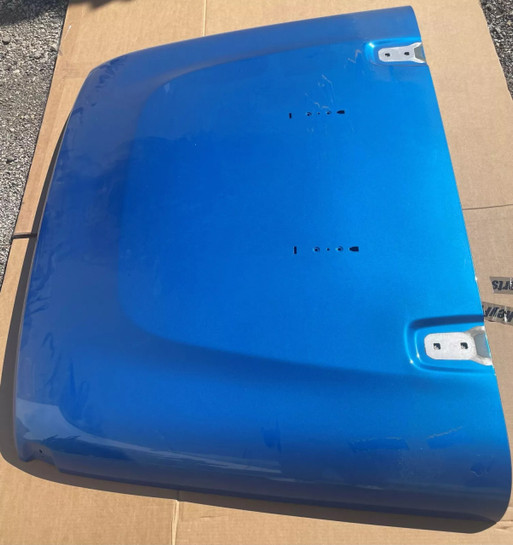
Jeep builds live and die by parts decisions. Whether you are restoring an older Wrangler, setting up a trail rig, or simply keeping a daily driver dependable, the components you choose affect safety, reliability, resale value, and how the Jeep performs under load. Collins Bros Jeep helps owners sort through aftermarket Jeep parts, OEM components, and used options every day. This guide breaks down the pros, cons, and best-use scenarios so you can spend money where it matters and avoid upgrades that create new problems.
Used vs OEM vs Aftermarket Jeep Parts: A Detailed Comparison
Jeep ownership is a platform for Jeep customization, but every build starts with the same question: What kind of part belongs in this spot? The market is full of OEM, used, and aftermarket vs OEM choices that can look identical online while delivering very different results once installed.
A bad choice can affect:
- Safety, especially with brakes, steering, and suspension joints
- Structural integrity in axles, mounts, and load-bearing hardware
- Emissions compliance when engine or exhaust-related parts are changed
- Warranty protection, depending on the vehicle status and the type of modification
- Long-term costs, when a cheap part causes repeat labor or accelerates wear
Aftermarket Jeep Parts: Performance And Customization Potential
Aftermarket Jeep parts are made by third-party manufacturers. They exist because owners want performance upgrades, appearance changes, or off-road capability beyond factory configurations.
Where aftermarket shines:
- Purpose-built upgrades like lift systems, lockers, armor, and heavy-duty steering
- Better matching for niche use cases such as rock crawling or overlanding
- In some categories, stronger materials or improved designs than factory components
Where you need caution:
- Quality varies widely by brand and price tier
- Fitment can vary by year, trim, and axle configuration
- Certain engine and exhaust mods can create emissions or inspection issues
- Some changes can complicate warranty conversations if they contribute to a failure
Performance tradeoffs are usually tied to system interactions. A lift changes steering angles and alignment requirements. Larger tires change effective gearing and can increase stopping distance. A common real-world example is stepping up to 37 inch tires, which often requires re-gearing and brake planning, not just a taller suspension, because drivetrain loads rise across the vehicle.
OEM Jeep Parts: Factory Precision And Warranty Protection
OEM parts are made by or for Jeep under factory specifications. They are designed to meet original tolerances, integrate cleanly with factory systems, and preserve predictable drivability.
OEM is often the best fit for:
- Safety systems and sensors
- Engine internals and emissions-related components
- Daily drivers where reliability and calibration matter most
- Vehicles under warranty where fitment and documentation are priorities
The downside is usually cost and limited customization. OEM components are not always designed for extreme off-road loads or larger tires, which is why many builds blend OEM reliability in critical systems with aftermarket strength where it is needed.
Used Jeep Parts: Budget-Friendly, With Real Risk
Used parts typically come from salvage yards, take-offs, or marketplace resales. They can be a smart option when the risk is low and the condition can be verified.
Used parts make sense for:
- Cosmetic trim and interior panels
- Discontinued components for restorations
- Certain non-critical mechanical pieces when wear can be evaluated
Used parts are risky for:
- Suspension components, steering linkages, and brake parts
- Structural frame pieces or anything that carries impact loads
The problem is history. A used part can look fine but still carry fatigue from heat cycles, impacts, or corrosion, and most used parts come with little to no warranty protection.
Aftermarket Vs OEM: Which Is Better For Your Jeep Mod Options?
The best answer depends on your build goal.
For rock crawling, quality aftermarket parts often win because you need heavy-duty axles, lockers, reinforced steering, and purpose-built protection designed for impacts.
For overlanding, a blended approach is common: OEM reliability for electronics and driveline components, paired with carefully selected aftermarket upgrades for load-rated suspension, storage, and protection.
For restoration, OEM or high-quality used parts often make sense for fitment and authenticity.
For daily driving, OEM is usually the safest default for critical systems, while mild aftermarket upgrades can improve capability without sacrificing road manners.
A practical path is to define usage first, set a budget, confirm compliance needs, and avoid buying parts that force expensive supporting changes later.
Case Study: Jeep Customization With Quality Parts At Collins Bros Jeep
Parts decisions are not always about performance. Sometimes the win is simply getting the right component fast, with honest help. Jonas Nichols, one of our customers, shared that he called Collins Bros Jeep after he could not find a part he needed.
He noted the item was not listed in inventory, but the team still sourced it and helped him move forward, he also noted “they sent it to me free.” The larger takeaway is service and problem-solving, not a guarantee of free shipping. You can read his full Google review here.
Choosing The Best Jeep Performance Parts Matters More Than You Think
Poor parts choices usually create secondary problems. Mechanically, mismatched components can increase drivetrain stress, accelerate bushing and joint wear, create brake imbalance, and cause suspension geometry issues that lead to wandering, vibration, or uneven tire wear. Those failures cost more because they often require rework plus alignment or calibration.
There are also safety and compliance consequences. Steering and brake components are safety-critical, and low-quality parts or incorrect installation can increase crash risk. If you want a baseline for how vehicle safety rules are structured in the U.S., NHTSA’s laws and regulations hub is a helpful starting point.
Emissions and conversion rules can be just as confusing. Engine swaps, tuning, and exhaust changes can trigger federal or state requirements depending on location and vehicle class. The Alternative Fuels Data Center provides an overview of conversion and regulation considerations that can help you plan upgrades without creating compliance issues.
Finally, resale value tends to follow build quality. High-quality parts, professional installation, and organized service records usually outperform low-cost modifications with unknown components and no documentation.
Master The Mud, Rocks And Everything In Between With Quality Jeep Parts
If you want a smarter plan for your build, Collins Bros Jeep brings 30+ years of experience sourcing parts, supporting restorations, and recommending upgrades that balance capability with reliability. You can browse our aftermarket Jeep parts and explore our OEM parts inventory. When you are ready to compare options for your Jeep and map next steps, you can schedule an online consultation and expert Jeep upgrade solutions.
FAQs
Are aftermarket parts always better than OEM for a Jeep build?
Aftermarket can be best for heavy-duty off-road use, while OEM is often the better choice for safety systems, sensors, and factory calibration.
When do used parts make sense?
Used parts are a good fit for trim, interiors, and select low-risk components when you can verify the condition.
Can aftermarket parts affect warranty coverage?
They can, especially if the modification contributes to a failure, so documenting parts and installation is important.
How do you avoid low-quality aftermarket components?
Prioritize reputable manufacturers, verified fitment for your exact model, and parts engineered for your intended use.
What should you prioritize if your budget is limited?
Start with tires, brakes, and steering health, then add capability upgrades like gearing, suspension, and protection.
