
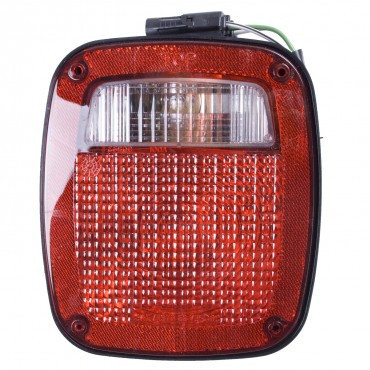
Jeep ownership spans generations, from early flatfenders that built the brand’s reputation to today’s Wranglers packed with electronics. Whether you are keeping a CJ dependable or maintaining a JL that relies on sensors and modules, the quality of jeep replacement parts affects safety, performance, and resale value.
Collins Bros Jeep helps owners make smart maintenance decisions by matching parts to the Jeep’s era, how you drive it, and what “reliable” actually means for your build.
Why Quality Jeep Replacement Parts Matter
Trusted parts protect Jeep's longevity because they fit correctly, match intended loads, and hold tolerances that keep other components from wearing prematurely. When a part is off-spec, the problem is rarely isolated. You can end up with drivetrain stress from vibration, suspension geometry that will not align properly, or electrical components that trigger warning lights and intermittent faults.
On older Jeeps, weak metal and sloppy steering parts can reduce stability at highway speeds. On newer Jeeps, low-quality sensors and connectors can create repeated issues that look like “random gremlins” until the correct part is installed.
Classic Jeep Maintenance: Preserving Performance With Authentic Parts
Classic jeep maintenance starts with structure, steering, and predictable fuel delivery. If the chassis is tired, no amount of tuning will make the Jeep feel safe.
Chassis And Mounting Points First
Inspect where stress concentrates:
- frame rust at seams and crossmembers
- cracking around leaf spring hangers
- body mounts that allow the tub to shift
- steering box mount fatigue that shows up as wander
Structural jeep replacement parts should match original thickness and fitment. Patch panels and brackets that are thin or poorly welded can shift stress into the frame and create bigger repairs later.
Leaf Springs, Bushings, And Steering Feel
Leaf spring setups are simple, but sensitive to wear. Spring sag, worn shackle bushings, and tired tie rod ends change caster and can increase bump steer. If your goal is a dependable daily driver, prioritize trusted jeep parts that restore factory-style ride height and support proper alignment.
Fuel And Ignition Reliability In Modern Gasoline
Carbureted systems can be dependable, but fuel quality and materials matter more than they did decades ago. Ethanol-blended fuels can contribute to corrosion and seal degradation in older systems, especially when a Jeep sits between drives. For a technical reference point on ethanol-related risks in legacy fuel systems, check here.
Practical refresh items that often improve daily reliability include carb rebuild kits that match the carb model, new fuel lines where cracking is present, consistent fuel pump pressure, and ignition components that hold timing.
Drivetrain And Wiring: Small Issues Become Big Ones
Classic drivetrains reward correct setup. Incorrect parts or rushed shimming can disrupt gear mesh, create vibration, and shorten bearing life. The same “small becomes big” rule applies to wiring. Brittle insulation, decades of splices, and mismatched amperage-rated components can create intermittent failures and overheating risks. If you are chasing dim lights, hard starts, or accessory problems, a harness refresh and grounding strategy can be more effective than replacing random pieces one at a time.
Modern Jeep Care: Using Trusted Parts For Performance And Reliability
Modern Jeep care is defined by system compatibility. A Wrangler JL or Gladiator can drive fine while a small fault builds behind the scenes, especially when a sensor is out of spec or a connector fitment is poor.
Electronics, Sensors, And Warning Lights
Modern platforms depend on sensors for braking, traction control, and drivability. Wheel speed sensors and related modules rely on correct signal ranges. When replacement parts are low quality, you can see warning lights, inconsistent traction behavior, or intermittent faults that come and go. Exact fitment and connector quality matter as much as the component itself.
Suspension And Steering Wear Points
Coil suspension and multi-link geometry behave differently than leaf springs. Wear shows up as clunks, wander, and uneven tire wear. Common replacement needs include control arms, ball joints, steering joints, and stabilizer components. If you lift the Jeep, geometry correction matters. Caster and track bar alignment are not optional if you want stable road manners, especially when the Jeep is still a daily driver.
Off-Road Stress And Overlanding Wear
Trail use increases wear on skid plates, driveshafts, seals, and differential components. Trusted jeep parts rated for off-road use reduce mid-trip failures and help protect adjacent systems from damage when a component gives up under load.
How To Source Quality Jeep Repair Components
Sourcing is part of maintenance, especially when your Jeep is a classic or your build involves multiple systems.
Verify fitment and part numbers
Match parts to the exact model year, engine, and axle configuration. “Close enough” parts often install but create problems later.
Check documentation and warranty policies
Look for clear fitment notes and warranty terms. If documentation is missing, treat that as a risk signal.
Watch for counterfeit red flags
Extreme discounts, poor packaging, missing batch identifiers, and vague listings are common warnings, especially for electronics and steering parts.
Ask a specialist when the system is safety-critical
If the repair affects steering, brakes, suspension geometry, drivetrain setup, or electronics, expert guidance can prevent repeat work and reduce safety risk.
Case Study: Trusted Jeep Parts And Real-World CJ Reliability
In a recent review, Stephen Stewart shared that he shipped his 1981 CJ8 Scrambler to Texas because he wanted it ready as an everyday driver, not a showroom-correct restoration. He described clear email communication and estimates, plus realistic scheduling expectations. After the work, he noted that “everything runs great” and that the team addressed items he did not initially think of, but that were necessary for dependable use. You can read his full review on Google here.
Jeep Longevity Tips: Top Preventive Care Strategies
- Follow factory torque specifications so fasteners stay stable and parts wear evenly.
- Replace wear items proactively, especially ball joints, bushings, U-joints, steering ends, and brake components.
- Use drivetrain-specific fluids at the right intervals, then inspect steering, suspension, and driveline hardware after major trail use.
- The most reliable Jeeps are the ones where parts selection, fitment, and geometry are planned together.
From Flatfenders To Five-Links: Your All-Era Jeep Parts Shop
Collins Bros Jeep has 30+ years of experience sourcing parts and supporting repairs, restorations, and custom builds. If you are maintaining a classic project or keeping a modern Jeep dependable, you can shop our aftermarket parts or browse OEM and NOS inventory. When you want help choosing the right parts for your Jeep and your goals, you can schedule an online consultation and expert guidance.
FAQs
How do I know if a replacement part is “good enough” for my Jeep?
If it affects safety or drivability, prioritize fitment, documentation, and proven materials over the lowest price.
Are OEM parts always the best option for Jeep maintenance?
Not always. OEM can be ideal for factory-correct repairs, but high-quality aftermarket parts can outperform OEM in off-road or heavy-use applications.
What classic Jeep maintenance items should I prioritize first?
Start with chassis integrity, steering, brakes, and fuel delivery reliability, then address wiring and drivetrain wear items.
Why do modern Jeeps throw warning lights after repairs?
Sensors and modules can be sensitive to out-of-spec parts, connector issues, or incorrect calibration, so exact fitment matters.
How can I reduce repeat repairs on a trail-driven Jeep?
Protect vulnerable components, inspect after trail runs, and replace wear parts proactively before a small issue becomes a failure.
