
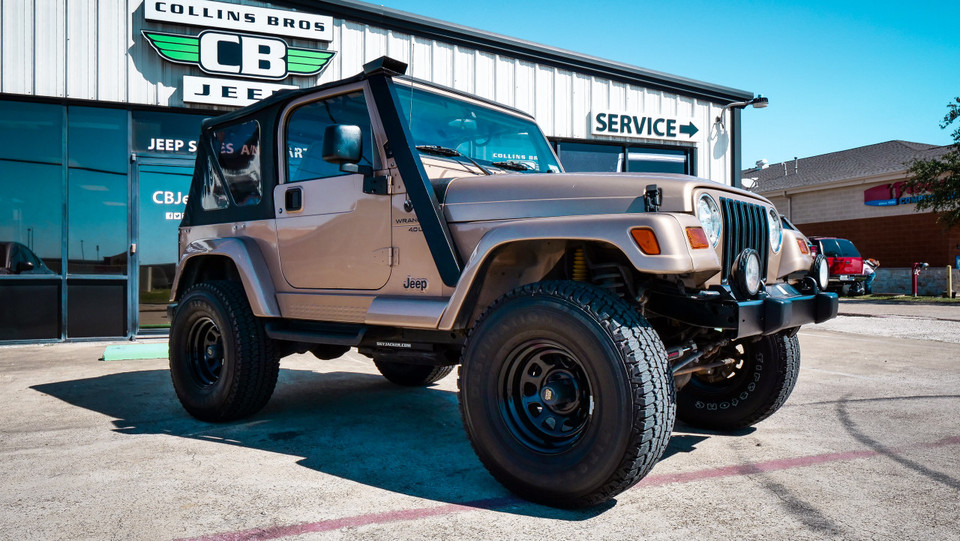
Jeep owners upgrade wheels and tires for one simple reason: nothing changes how a Wrangler drives, looks, and performs faster. The right setup improves traction, handling, and confidence, while the wrong one can hurt ride quality and wear out components. Jeep Wrangler tire upgrades usually come down to a core decision. Do you want quiet, controlled street performance, or maximum grip and durability off-road? Understanding how tire type, wheel design, and sizing work together helps you build a Wrangler that actually fits how you drive.
Jeep Wrangler Tire and Wheel Upgrades: Performance, Capability, and Visual Impact
Tires and wheels influence more than just appearance. They directly affect traction, steering response, braking distance, ride comfort, and fuel economy. A well-matched setup keeps your Wrangler stable at highway speeds while still delivering predictable grip on dirt or rock. Poorly chosen tires, on the other hand, can throw off steering geometry, increase drivetrain strain, and reduce safety during emergency braking.
Oversized or improperly rated tires can overload ball joints, steering components, and wheel bearings. Excessive rolling resistance can also reduce fuel efficiency and cause the transmission to hunt for gears. That is why professional fitment matters.
Industry guidance from the Tire & Rim Association emphasizes matching tire size, load rating, and wheel dimensions to vehicle specifications to maintain safe handling and structural integrity. According to the Tire & Rim Association, “tire and wheel combinations must meet approved dimensional and load standards to prevent premature wear and handling instability.”
(Source: Tire & Rim Association Publications)
When you plan Wrangler wheel upgrades, expert consultation ensures your tire size, wheel width, and offset work together, not against the suspension and steering system.
Off-Road Jeep Wheels: Strength, Offset, and Real-World Durability
Wheels do more than hold tires. They manage load, impact forces, and steering geometry. Off-road Jeep wheels must withstand rocks, ruts, and side loads that street wheels never see.
Cast wheels are more affordable and common for daily-driven Wranglers. Forged wheels cost more but offer higher strength with less weight, making them popular for serious trail use. Beadlock wheels clamp the tire bead for low-pressure off-road driving, but most true beadlocks are not DOT legal for street use. Simulated beadlocks deliver the look without the legal concerns.
Wheel diameter matters. Most off-road builds favor 17-inch wheels because they allow taller tire sidewalls. More sidewall means better impact absorption and improved traction when aired down. Larger wheels, like 18 or 20 inches, reduce sidewall height, which can compromise off-road comfort and durability.
Offset and backspacing are critical. Offset controls how far the wheel sits in or out relative to the hub. Too much negative offset pushes tires outward, causing steering wander, accelerated ball joint wear, and fender contact. Too much positive offset can lead to frame and suspension interference. Proper offset keeps steering predictable and components protected.
Street vs Trail Tires: Choosing the Right Setup for How You Actually Drive
Choosing the right Jeep Wrangler tires depends on where and how you drive most often. This guide helps you compare street-focused setups against trail-ready options based on real driving needs.
Street-Focused Jeep Wrangler Tires
Street-oriented tires are designed for comfort, efficiency, and predictable handling on pavement.
Common Types:
- Highway terrain (HT) tires
- All-season, road-biased all-terrain tires
Key Benefits:
- Quieter ride at highway speeds
- Shorter wet braking distances
- Improved fuel economy
- Longer tread life on pavement
Best Use Cases:
- Daily commuting
- Long highway trips
- Light gravel or maintained dirt roads
Popular Street-Oriented Brands:
- Michelin
- Continental
- Goodyear Wrangler series
Trail-Focused Jeep Wrangler Tires
Trail tires prioritize traction, durability, and sidewall protection in challenging terrain.
Common Types:
- All-terrain (AT) tires
- Mud-terrain (MT) tires
- Hybrid rugged-terrain (RT) tires
Key Benefits:
- Aggressive tread blocks for loose surfaces.
- Self-cleaning lugs in mud and sand.
- Reinforced sidewalls for puncture resistance.
Tradeoffs to Expect:
- Increased road noise
- Reduced fuel economy
- Faster wear on pavement
Popular Off-Road Tire Brands:
- BFGoodrich
- Nitto
- Toyo
- Falken
Tire Size, Wheel Offset, and Lift Considerations: Avoid Costly Mistakes
Tire size and wheel offset must work together to maintain safe handling and proper suspension geometry. “Many upgrade problems result from ignoring this balance.
Typical Stock Tire Sizes:
- JK models: approximately 32 inches.
- JL models: 33 inches, depending on trim.
- JT models: similar to JL with slight variation.
When a Lift Is Required:
- 33-inch tires often fit with minor adjustments.
- 35-inch tires usually require a suspension lift and geometry correction.
- 37-inch tires demand advanced suspension, gearing, and steering upgrades.
Why Spacers Are Not a Replacement for Proper Offset:
- Spacers increase bearing and ball joint wear.
- An incorrect offset causes steering wander and instability.
- Fender and suspension contact becomes more likely.
Critical Factors to Address:
- Fender and suspension clearance.
- Steering and alignment geometry.
- Speedometer recalibration.
- Gear ratio changes to maintain drivability.
Jeep factory build guidelines and SAE suspension geometry principles both stress that proper offset, lift height, and tire sizing protect driveline components and preserve safe handling. Brand selection matters, but correct fitment matters more.
Wrangler Wheel Upgrades at Collins Bros Jeep
A recent example comes from Soma Stream, which shared its experience in a Google review. Soma worked with Kevin, the service manager at Collins Bros Jeep, while upgrading wheels and tires on a Jeep Wrangler. The main concern was selecting the right parts without unnecessary add-ons. According to Soma, Kevin provided honest guidance, helped choose appropriate upgrades, and avoided selling anything that was not needed. The result delivered both performance and appearance improvements that exceeded expectations.
As Soma noted, “He was very honest and did not try to sell me what I did not need. And the end result was awesome.”
Benefits of Upgrading Tires and Wheels: Why It’s Essential
Upgrading your Jeep Wrangler’s tires and wheels delivers more than a visual change. When sized and installed correctly, these upgrades improve performance, safety, and long-term reliability.
- Improved traction and braking: Modern tread designs and proper load ratings increase grip on wet pavement, loose dirt, and uneven surfaces, helping shorten braking distances and improve control.
- Enhanced off-road capability: Stronger sidewalls, deeper tread blocks, and optimized wheel sizing allow better traction over rocks, mud, and sand without risking tire or wheel damage.
- Better ride control and stability: Correctly matched wheel weight and tire construction reduce bounce, steering wander, and body roll, especially at highway speeds.
- Reduced drivetrain strain when properly sized: Choosing the right tire diameter and offset helps protect axles, bearings, and suspension components from unnecessary stress.
- Improved safety in adverse conditions: Rain, snow, loose gravel, and steep terrain become more manageable when tires are designed for the environment you drive in.
- Personalized driving experience: Your Jeep responds the way you expect, whether that means quiet highway comfort or confident trail performance.
- Increased long-term vehicle value: Quality upgrades that respect factory geometry preserve component life and resale appeal.
Working with professional Jeep upgrade specialists reduces the risk of poor fitment, safety issues, and costly repairs that often result from mismatched or DIY installations.
Partner with Experts: Re-Engineer Your Ride for the Great Adventures
For over 30 years, Collins Bros Jeep has specialized in Jeep restoration, suspension upgrades, and trail-ready builds. With OEM Jeep parts and a comprehensive aftermarket catalog under one roof, we help you balance off-road capability with everyday comfort. You can shop Jeep parts for ultimate adventure or schedule professional upgrades through our service department.
We also offer ready-to-go custom Jeeps professionally built for off-road trails. Explore custom builds. Our team focuses on honest guidance, reliable service, and upgrades that perform as promised. Contact Collins Bros Jeep today to explore upgrade options and expert consultation.
FAQs
Do I need a lift for bigger Jeep Wrangler tires?
Lifts are usually required for tires over 33 inches to maintain clearance and steering geometry.
Are beadlock wheels street legal?
Most true beadlock wheels are not DOT legal for street use.
Will larger tires affect fuel economy?
Yes. Heavier and more aggressive tires typically reduce MPG.
Can I use wheel spacers instead of new wheels?
Spacers can increase component wear and are not a substitute for proper offset wheels.
How do I know the right tire size for my Wrangler?
A professional evaluation ensures correct sizing based on model, suspension, and driving use.
