
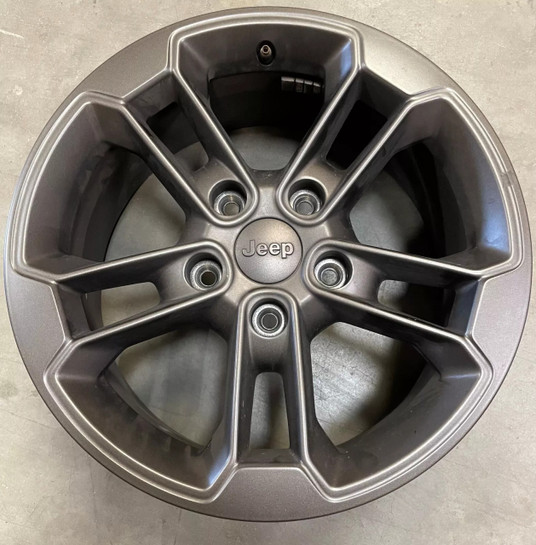
If you want your Wrangler to feel safer on the road and more capable off it, the order of your upgrades matters as much as the parts you buy. Jeep Wrangler upgrades are strategic investments in braking control, driveline durability, and predictable handling, not just looks.
Collins Bros Jeep has worked with Wrangler owners for decades, and we see the same pattern: when you upgrade without a plan, you can create ride issues, accelerate wear, and end up paying twice to correct the sequence.
Jeep Wrangler Upgrades: What To Replace First And Why?
The Wrangler is built for modularity. Body-on-frame construction, solid axles, removable components, and a huge aftermarket ecosystem make it easy to change tires, suspension, gearing, and protection hardware. That flexibility is a benefit, but it also creates a trap: not all priority Jeep mods deliver the same return in safety and reliability, and some changes require supporting upgrades to keep the vehicle balanced.
Upgrade sequencing prevents mechanical mismatch. For example, oversized tires can change braking performance, steering feel, and effective gear ratio. If you add tire size first without accounting for gearing and braking, the Jeep may feel sluggish, stop slower, and place more stress on the transmission. A plan keeps your Wrangler stable, compliant, and enjoyable to drive.
Priority Jeep Mods For Maximum Performance And Safety
Below is a practical priority order we use when the goal is real-world performance, not just appearance. Your exact path depends on how you drive, but these categories consistently deliver the best safety and durability return per dollar.
Tires: The Foundation For Traction And Stability
Tires are usually the first upgrade because they influence traction, braking distance, and rollover stability at the same time. An all-terrain tire is often the best starting point for a daily driver that sees trails, while a mud-terrain tire can make sense if you spend most of your time in loose terrain and accept more road noise and faster wear. Hybrid patterns can split the difference.
As you choose a size, pay attention to the load rating and speed rating so the tire matches your vehicle's weight and use. Also, remember that changing diameter and weight can affect how ABS and traction control behave, so it is smart to recalibrate as needed after you change tire size.
Suspension: Lift Control, Not Lift Height
A lift can improve clearance, but it also raises the center of gravity and changes steering geometry. For many owners, a 2 to 3 inch lift is a practical starting range because it can improve capability without pushing angles too far, depending on the build. The key is geometry correction: caster, track bar position, control arm angles, and bump steer all influence stability.
Plan for alignment after installation, and treat quality components as part of safety. A lift that ignores geometry can feel floaty, wander at speed, or create driveline vibration. Certified installation also helps reduce the risk of warranty disputes tied to improper fitment or torque.
Brakes: The Upgrade Many Builds Need Sooner Than Expected
Larger tires and added armor increase rotational mass and overall vehicle weight. That often increases stopping distance and heat load, especially on long descents or towing. Brake upgrades can include higher-capacity pads and rotors, fresh fluid, and stainless brake lines for more consistent pedal feel.
It also helps to think about braking as a safety system, not a single component. NHTSA has emphasized that advanced braking technologies like automatic emergency braking play a major role in reducing crashes and injuries, which reinforces the principle that braking performance is a primary safety priority.
Steering And Stabilization: Preventing The Problems That End A Trip
Once tires and suspension change, steering loads go up. Heavy-duty tie rods, drag links, and properly sized stabilizers can improve control and protect long-term reliability. Many Wrangler owners have heard of death wobble, and while the symptoms can be dramatic, the cause is usually practical: worn components, loose hardware, incorrect angles, or alignment issues.
A stabilizer can reduce vibration, but it should not be used to mask underlying wear. The right approach is inspection, correction, then reinforcement where your build and tire size demand it.
Differential Re-Gearing: Restoring Drivability After Tire Size Changes
Re-gearing is one of the most effective performance upgrades when tire size increases. Gear ratios control torque multiplication, engine operating range, and how hard the transmission has to work. When gears are mismatched to tire size, you may see frequent downshifts, sluggish acceleration, and extra heat in the drivetrain.
A common threshold many owners discuss is 35 inch tires, but the correct decision depends on your Wrangler model, engine, transmission, and typical load. The safest method is to reference OEM gearing specs in Jeep service documentation, then choose a ratio that restores drivability for your exact configuration.
Armor And Underbody Protection: Protecting The Parts That Matter
If you use your Wrangler off-road, underbody protection is not cosmetic. Skid plates, rock sliders, and differential covers reduce the chance that a rock strike ends your day with a leak or a cracked housing. The priority is protecting oil pans, transfer cases, fuel tanks, and vulnerable drivetrain edges, then planning a protected walkway path for repeated service traffic around mounted equipment.
Lighting And Electrical Reliability: Visibility Plus Compliance
Lighting upgrades can improve trail visibility, but legality and installation quality matter. In the U.S., headlighting requirements tie back to FMVSS 108 and DOT enforcement guidance, which is why you should avoid low-quality kits and poor beam patterns.
Auxiliary lighting, winches, compressors, and fridges also increase electrical demand. A clean wiring harness strategy, proper fusing, and power management help prevent voltage drop, intermittent failures, and battery drain, especially if you overland or run night trails.
Case Study: True Jeep Performance Enhancement
In a recent review, Soma Stream describes working with Collins Bros Jeep on selecting parts and mods for a Wrangler. The review highlights two trust signals that matter for upgrade planning: honest guidance and a result that matched the owner’s needs.
The customer notes that the service manager helped choose the right parts without pushing unnecessary add-ons, and they were pleased with the final outcome. You can read the full review here.
Tips For Essential Jeep Improvements: How To Prioritize Budget And Needs
Start with your primary use case. A daily driver needs safe braking, stable steering, and tires that behave well in wet conditions. Overlanding adds load capacity, electrical planning, and reliability priorities. Rock crawling emphasizes gearing, traction upgrades, protection, and clearance.
Then build in phases:
- Phase 1: safety and reliability (tires, brakes, steering inspection, baseline maintenance)
- Phase 2: capability (suspension with geometry correction, gearing, traction upgrades, protection)
- Phase 3: convenience and aesthetics (non-critical accessories and visual changes)
If you want a simple planning guideline, consider allocating roughly 40% toward safety systems, 30% toward drivetrain and suspension, 20% toward protection, and 10% toward aesthetics. Treat it as a starting point, then adjust for your terrain and goals. Document every upgrade with receipts and service records, and avoid low-grade components where failure risk is high.
Master Every Terrain: Specialized 4x4 Tuning And Upgrades
If you want an upgrade plan that fits your Wrangler’s current setup and how you actually drive, Collins Bros Jeep can help you sequence changes and select parts that work together. You can browse our aftermarket Jeep parts and explore our OEM parts.
When you are ready to map out next steps, you can schedule an online consultation and expert Jeep upgrade solutions.
FAQs
What should you upgrade first on a Wrangler?
Tires are usually first because they affect traction, braking feel, and stability immediately.
When do you need to re-gear?
Re-gearing becomes important when tire size changes reduce drivability, increase downshifts, or strain the transmission.
Are brake upgrades necessary after larger tires?
Often yes, because larger tires add rotational mass and can increase stopping distance.
Is the death wobble caused by one bad part?
Usually not, it is commonly a combination of worn components, loose hardware, and alignment or geometry issues.
How do you avoid wasting money on upgrades?
Define your use case, upgrade in phases, and prioritize safety and mechanical balance before cosmetic changes.
