Classic Jeep CJs are more than just old vehicles. They represent a hands-on era of off-roading, simple mechanics, and earned character over time. Restoring one correctly protects that history and the value tied to it. The challenge is that Jeep CJ parts are increasingly difficult to find. Age, discontinued manufacturing, and year-specific design changes make many components rare and confusing to source.
This Jeep restoration guide is built to help you identify hard-to-find Jeep parts, source authentic and compatible components, and avoid costly restoration mistakes that can derail an otherwise solid build.
What Makes Jeep CJ Parts Unique Across Generations
Jeep CJ models evolved significantly from the CJ-2A through CJ-8 Scrambler, and those changes matter when sourcing parts. Differences in model year, engine configuration, drivetrain, and trim packages mean that interchangeability is often misunderstood.
Early CJ models used a mix of Willys and Kaiser components, while later CJs introduced AMC engines, revised axles, and updated electrical systems. A CJ-5 with an inline-six, for example, does not share the same mounts or accessory layouts as a CJ-7 with a V-8. Even mid-year production changes can affect brake components, steering geometry, or emissions hardware.
Using incorrect or low-quality parts creates serious risks. Brake and steering components that do not match factory specifications can compromise safety. Suspension and drivetrain mismatches lead to accelerated wear. From a resale value standpoint, non-authentic components reduce resale appeal for collectors who expect restoration-grade accuracy rather than cosmetic replacements.
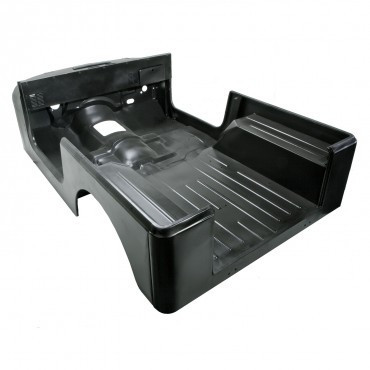
Commonly scarce Jeep CJ parts include original dash assemblies, factory emissions equipment, body tubs and trim pieces, and OEM axle or transfer case components. Understanding these differences early helps you decide when authenticity is required and when modern upgrades make sense.
Where to Find Rare Jeep CJ Parts Today
NOS vs Aftermarket Jeep CJ Parts: Making the Right Choice
New Old Stock, often called NOS, refers to original factory parts that were never installed. These offer unmatched authenticity but come with a higher cost and limited availability. Aftermarket Jeep CJ parts are easier to source and often use improved materials and modern tolerances.
NOS parts are ideal for concours-level restorations or historically accurate builds. Aftermarket components are acceptable for drivability upgrades, suspension improvements, or daily-use Jeeps. Always verify OEM part numbers carefully and manufacturer documentation before purchasing, especially for drivetrain or safety-critical components.
Salvage Yards and Jeep-Specific Recyclers
Specialty Jeep salvage yards remain one of the best resources for hard-to-find Jeep parts. Unlike general recyclers, Jeep-focused yards understand which components are rebuildable and how to identify the correct year ranges.
Inspect used parts carefully for cracks, corrosion, and excessive wear. Axles, transfer cases, and brackets can often be rebuilt if the core is sound. Many professional recyclers follow Automotive Recycling Association guidelines that emphasize safe reuse and environmental responsibility.
Online Vendors and Marketplaces: What to Trust and What to Avoid
Online marketplaces offer convenience, but they also carry risk. Reproduction parts are sometimes mislabeled as original, and incorrect model-year listings are common. Always confirm part numbers, ask for detailed photos, and review return policies before purchasing.
Trusted vendors provide clear descriptions, secure payment options, and realistic compatibility notes. Be cautious of listings that promise universal fitment across multiple CJ generations without documentation.
Specialty Suppliers for Jeep CJ Rare Parts
Specialty Jeep suppliers consistently outperform generic retailers. Jeep-only restoration experts understand fitment nuances, factory specs, and compatibility issues. They maintain inventories built around real restoration needs, not just visual upgrades.
This is where experienced suppliers bridge the gap between availability and accuracy, ensuring the right part reaches the right vehicle.
Classic Jeep Parts Sourcing with Collins Bros Jeep
As seen in a Google review from Jonas Nichols, Collins Bros Jeep demonstrated the kind of expertise that matters when parts are hard to locate. Jonas explained that he needed a Jeep component that was not even listed in inventory. After contacting the team, they tracked down the correct part and shipped it at no cost, without charging for postage. He noted that the experience exceeded expectations and encouraged other Jeep owners to consider them first.
This real-world example shows how experienced Jeep specialists go beyond standard inventory lists to solve sourcing problems accurately and professionally.
CJ Restoration Tips: How to Verify Authenticity and Compatibility
Restoring a CJ the right way starts with knowing exactly what you are buying. Authentic Jeep parts and proper fitment protect safety, value, and long-term reliability. Use this Jeep CJ parts guide to avoid common sourcing mistakes when selecting Genuine CJ7 components.
Identifying Genuine Jeep CJ Parts
- Look for OEM stamping and casting numbers on metal components. Original parts usually include factory marks that match Jeep service documentation.
- Check factory labels and original packaging when available. Period-correct branding and markings, and part codes are strong indicators of authenticity.
- Verify serial numbers and manufacturer markings to confirm originality, especially on drivetrain and suspension parts.
- Ask suppliers for documentation or proof of authenticity, particularly when purchasing high-value or rare components.
- Research supplier reputation through customer reviews and established Jeep restoration community forums to confirm reliability.
- Be cautious of counterfeit parts. Many reproductions look convincing but fail under real-world stress due to inferior materials.
- Inspect part quality in person when possible. OEM parts typically show higher machining precision and material consistency.
- Work with specialized Jeep restoration shops like Collins Bros Jeep, which provide verified OEM and high-quality aftermarket components.
Ensuring Compatibility Across CJ Models
- Understand that year-to-year and mid-year production changes directly affect fitment.
- Pay close attention to differences in engine mounts, axle widths, and electrical systems.
- Avoid DIY sourcing without expert verification, as mismatched parts can cause safety and performance issues.
- Professional involvement ensures correct part matching, labor warranties, and compliance with safety standards.
Specialized Jeep providers like Collins Bros Jeep help eliminate guesswork, protecting both your restoration investment and your Jeep’s road and trail performance.
From Rust to Rugged: Reclaim Your Jeep’s Glory with Collins Bros Jeep
With over three decades of hands-on experience, Collins Bros Jeep specializes in Jeep restoration, suspension upgrades, and trail-ready builds. We are a trusted dealer for OEM Jeep parts and maintain a comprehensive aftermarket catalog under one roof. Our inventory supports every Jeep model while enhancing off-road capability without sacrificing classic style.
From comfort and tech upgrades to full restorations, our customer-first approach delivers fast, reliable results that balance durability with modern expectations. Contact our team for expert guidance and custom solutions.
FAQs
How do I know if a Jeep CJ part is original?
Check OEM stamping, casting numbers, and factory labels, and verify part numbers against manufacturer documentation.
Are aftermarket Jeep CJ parts always lower in quality?
No. Many aftermarket parts use improved materials, but authenticity matters for historical restorations.
Can Jeep CJ parts be swapped between different years?
Some can, but many components vary by year, engine, and drivetrain, making expert verification essential.
Is buying used Jeep CJ parts generally safe?
Yes, when sourced from reputable Jeep recyclers and inspected for structural integrity.
Why work with a Jeep-specific supplier?
Jeep specialists understand model variations and reduce the risk of incorrect or unsafe part selection.
